What is threading?
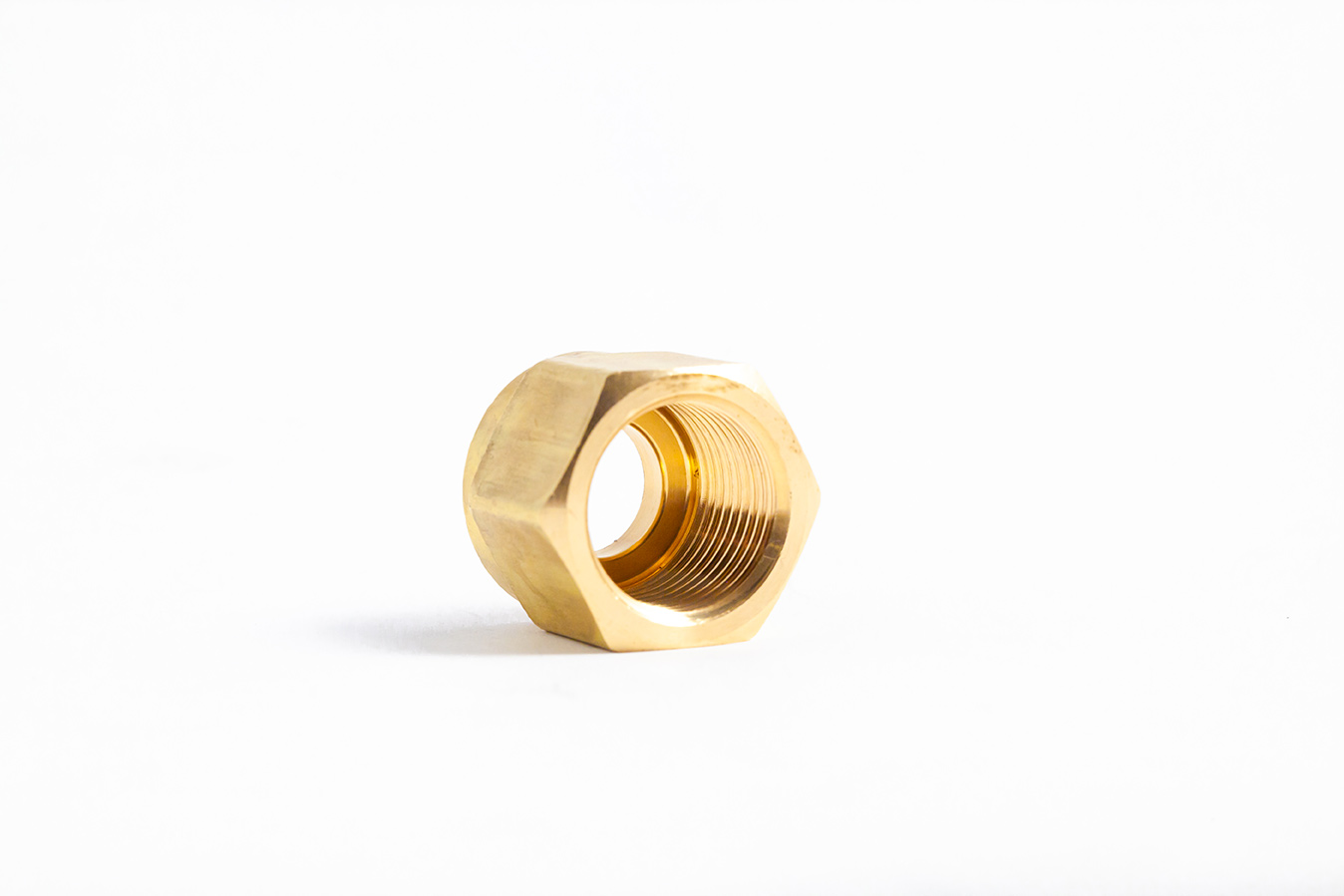
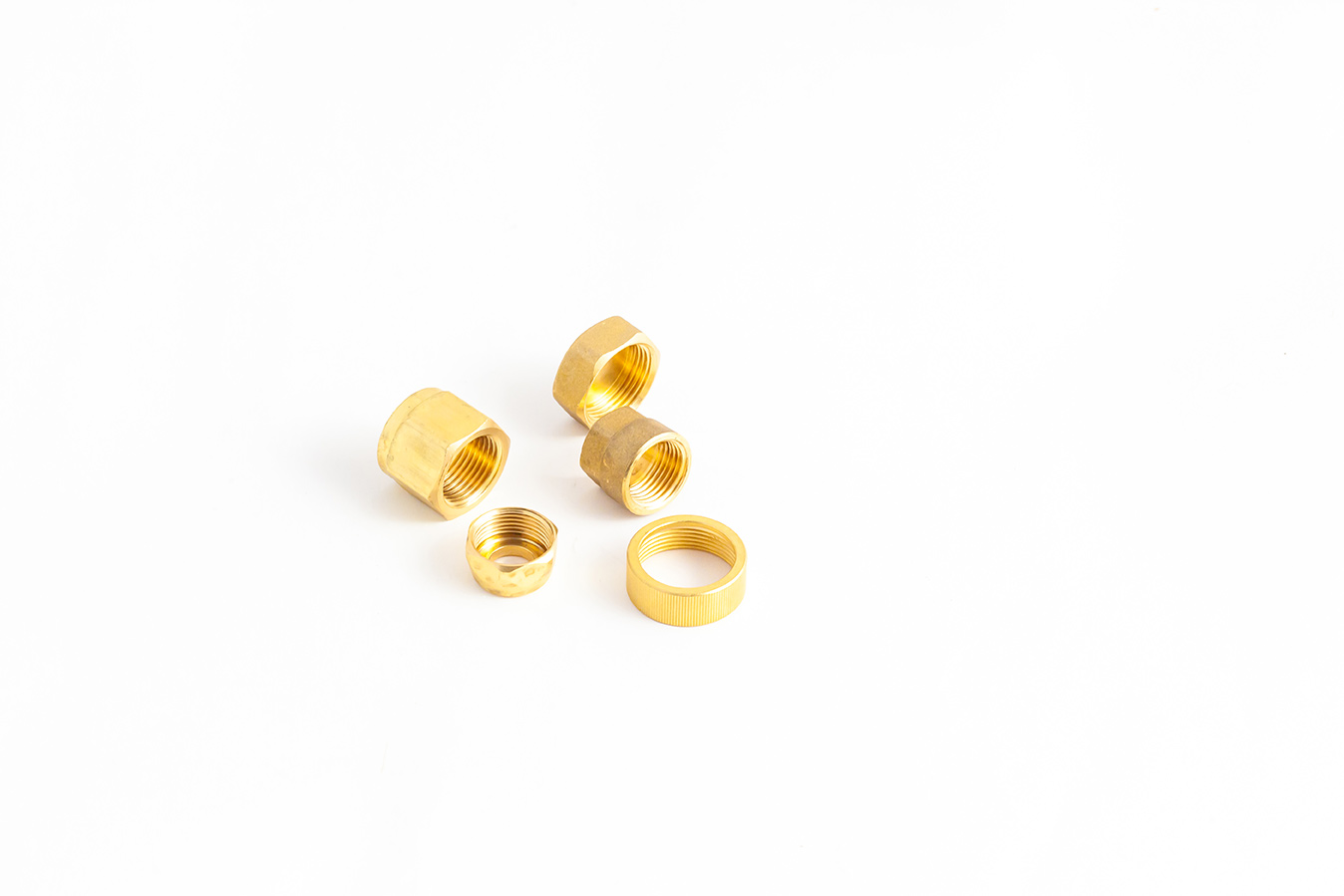
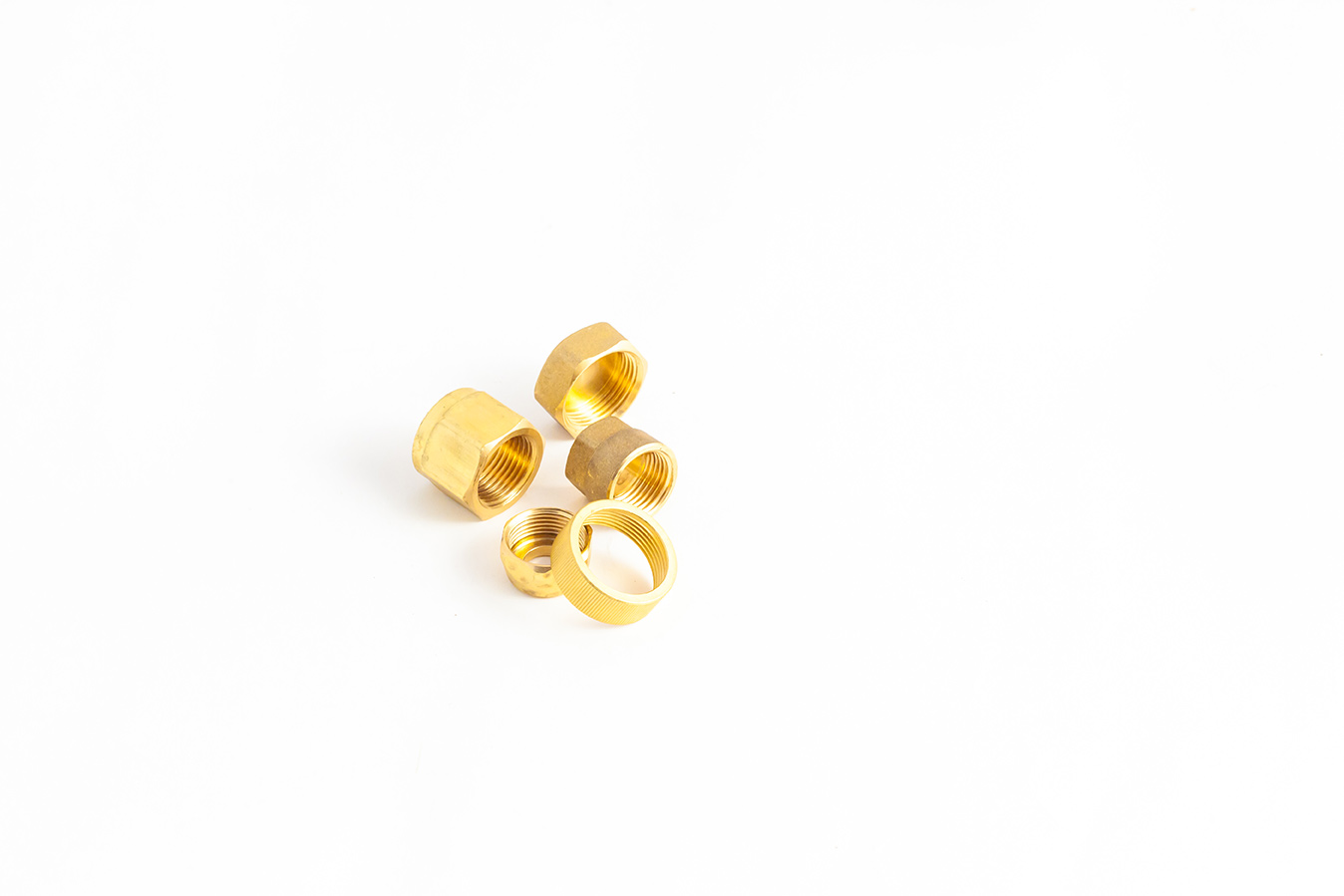
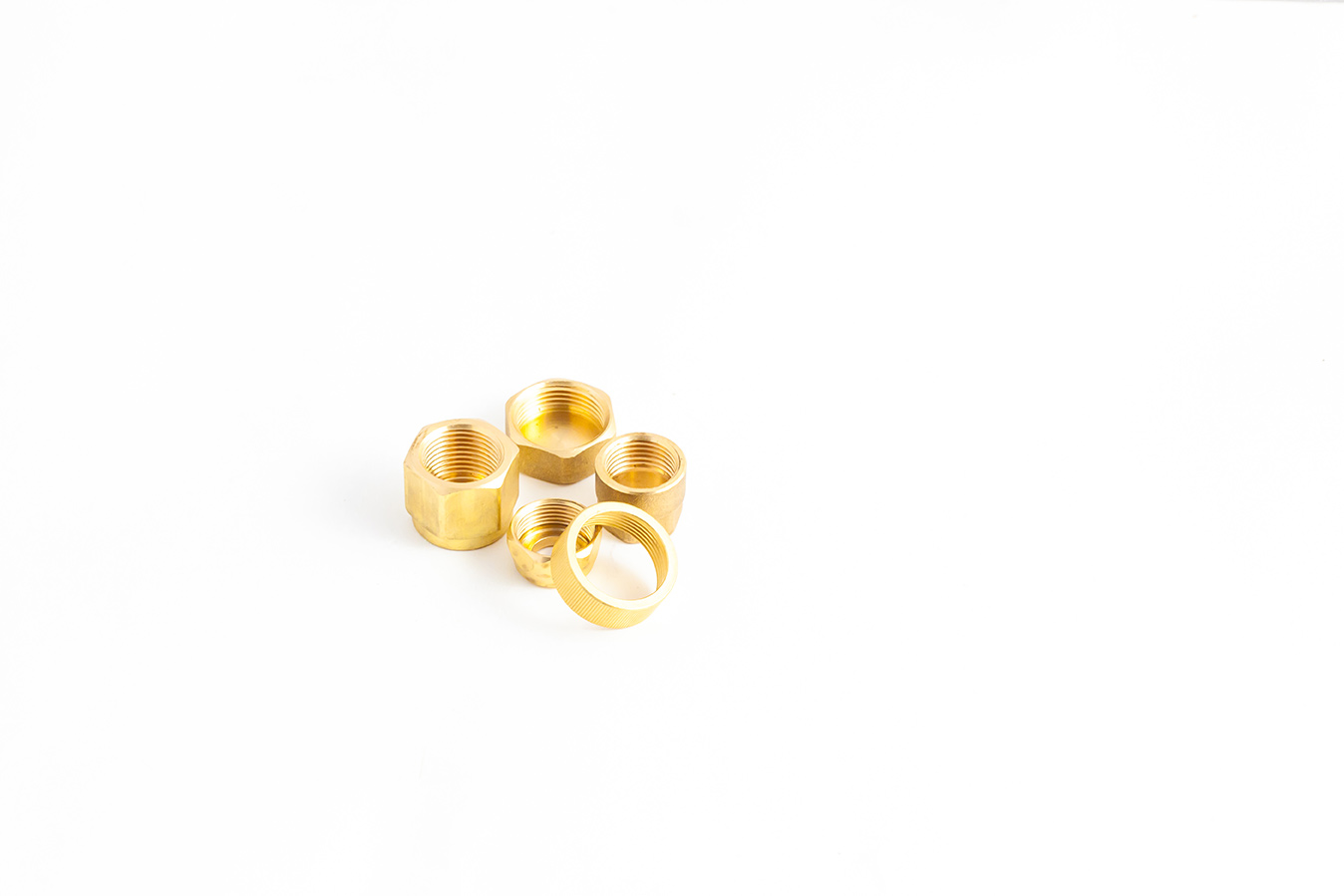
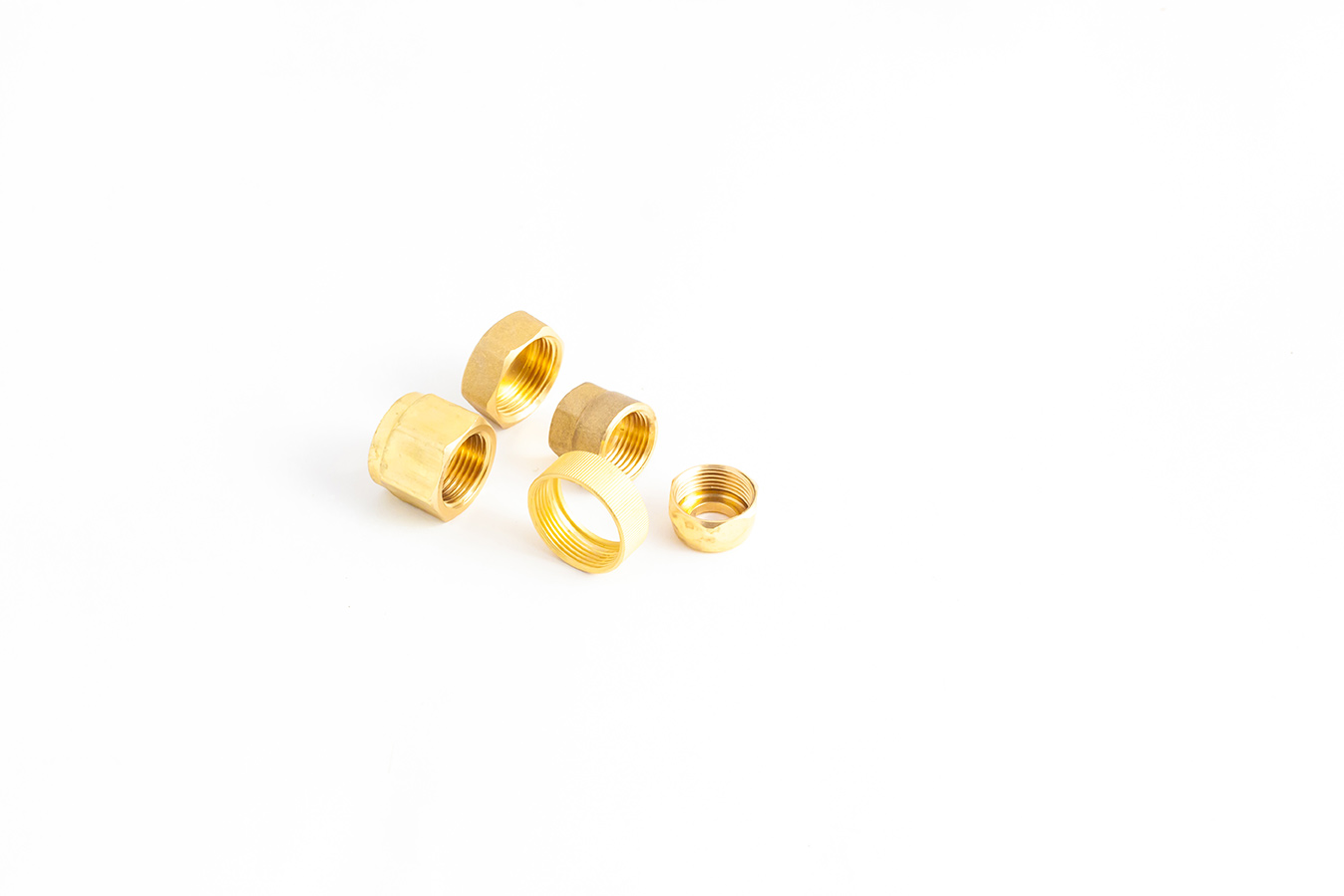
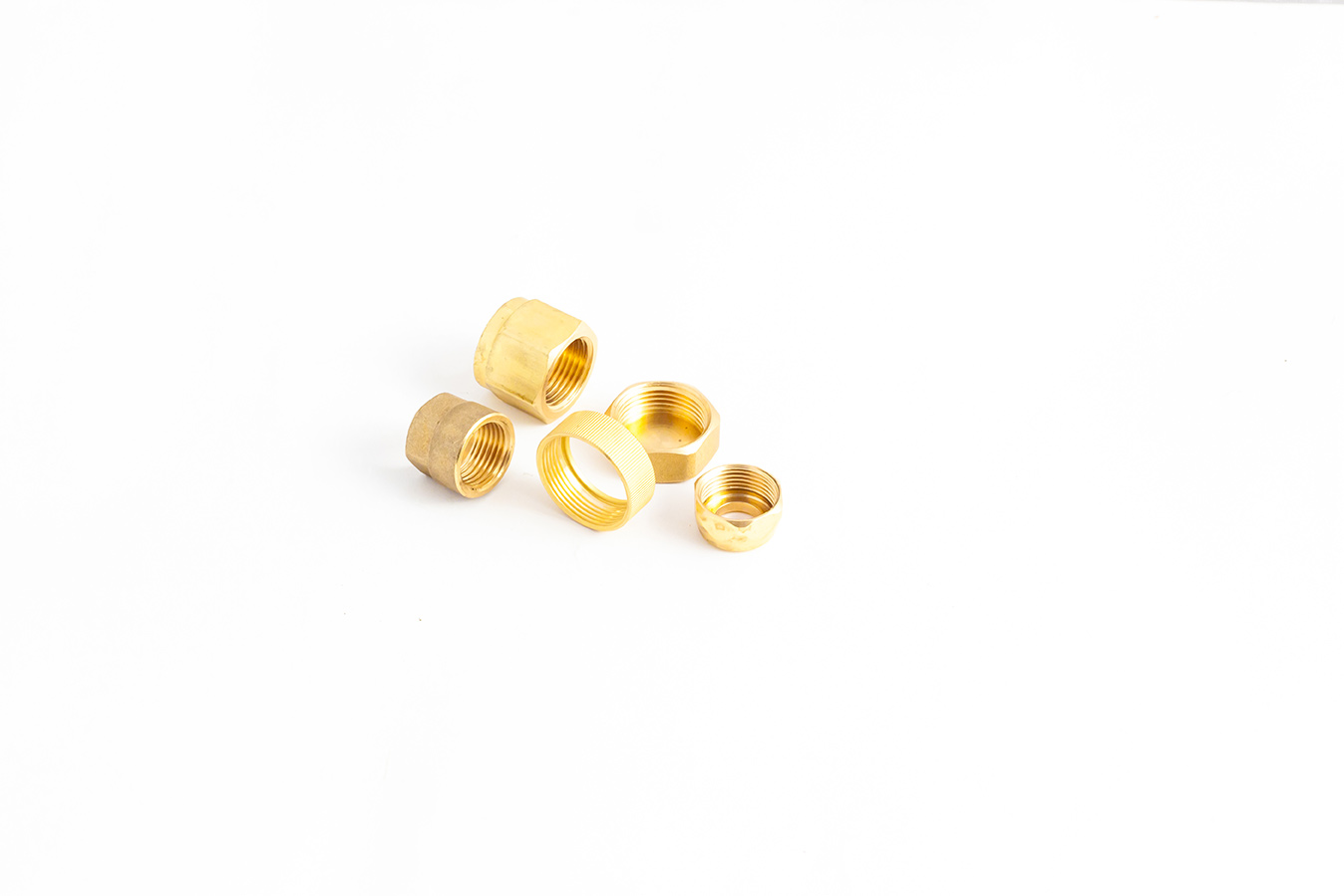
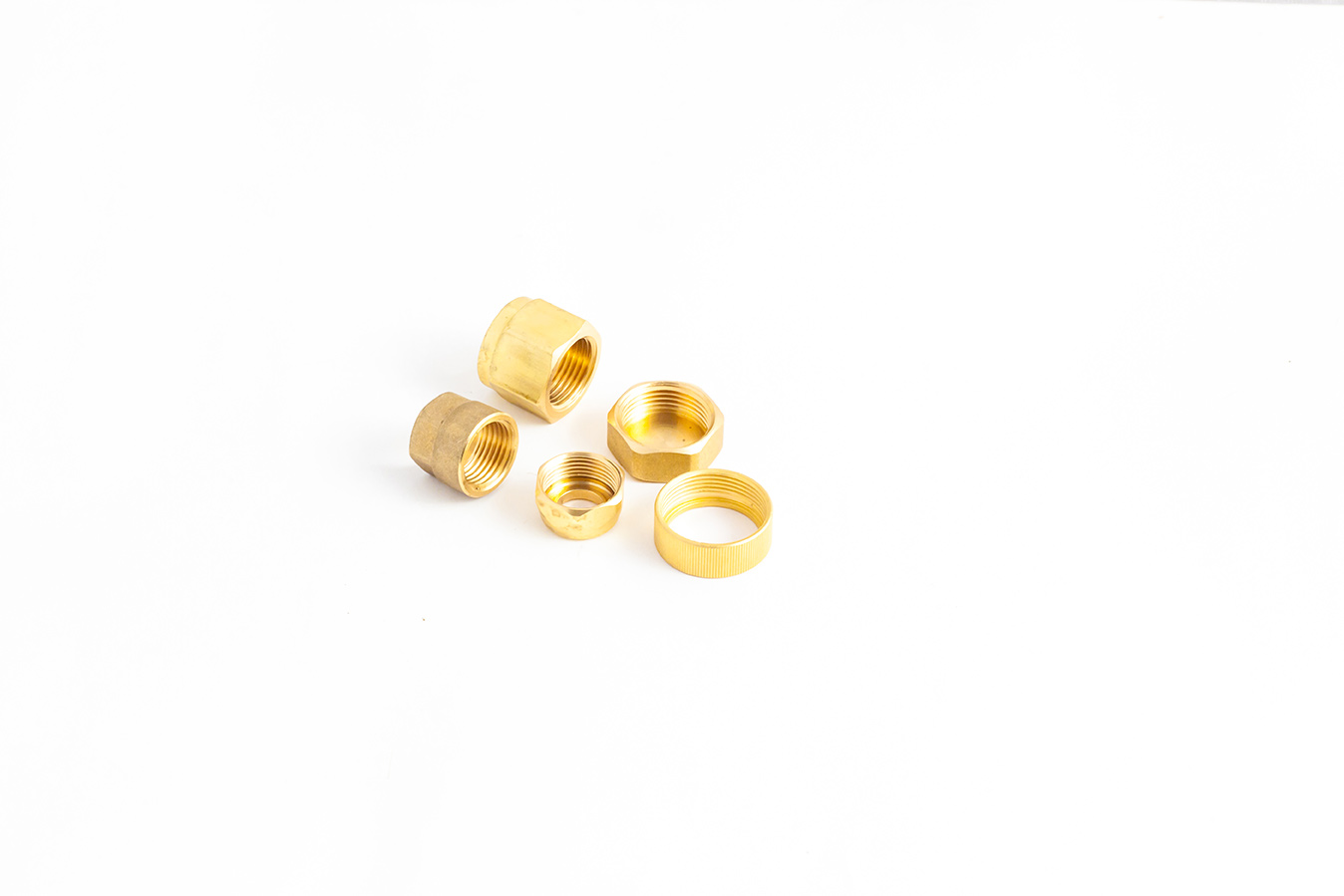
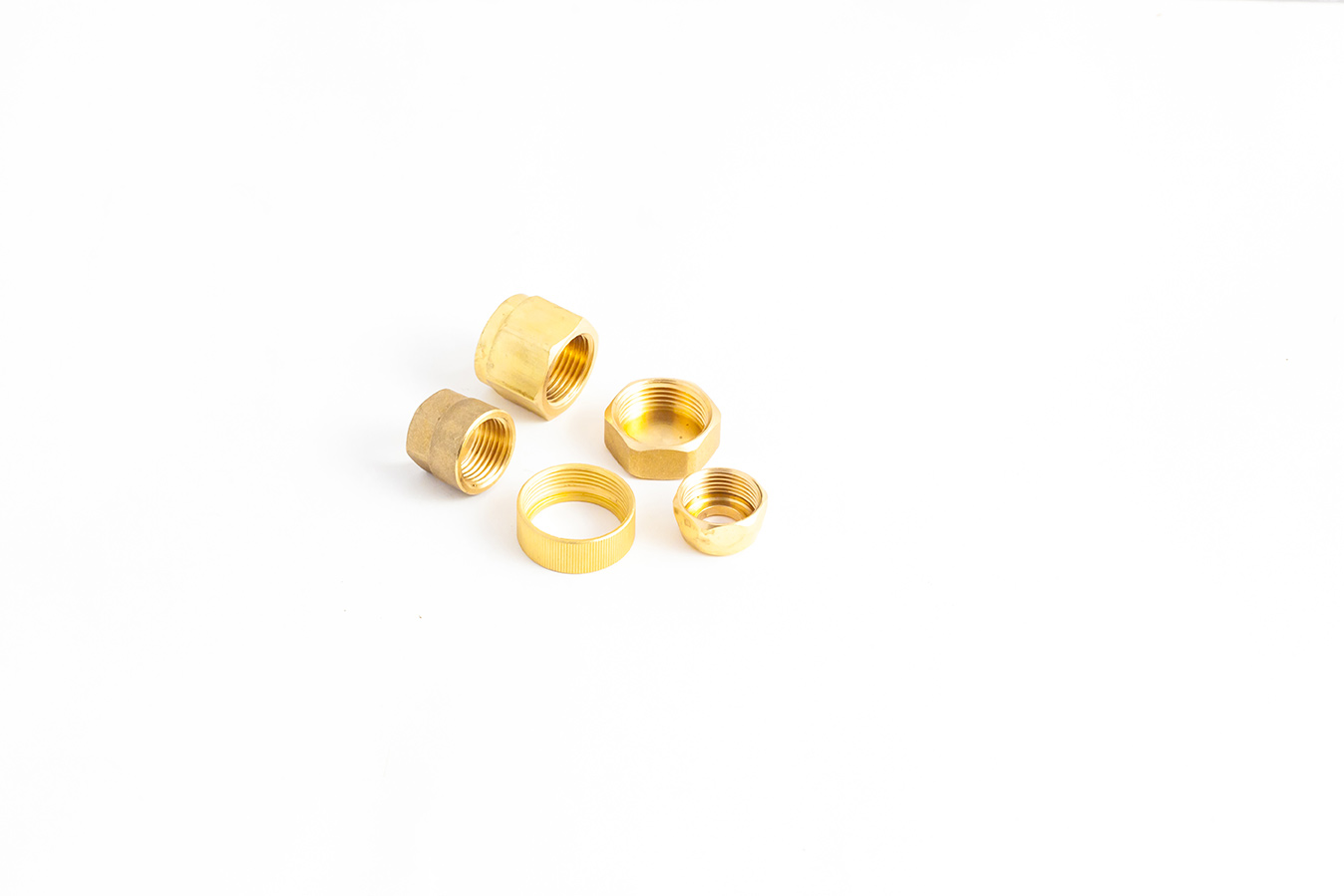
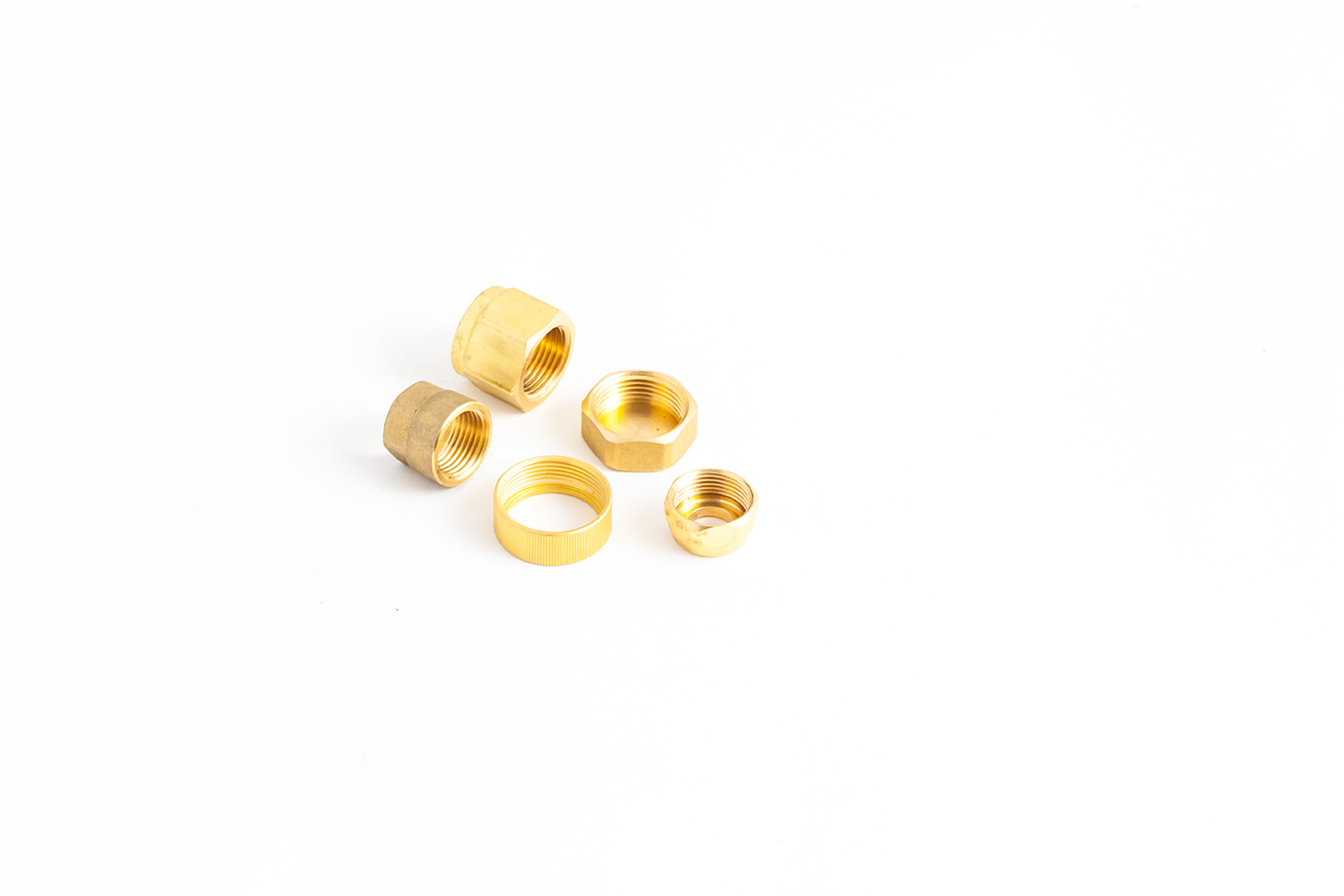
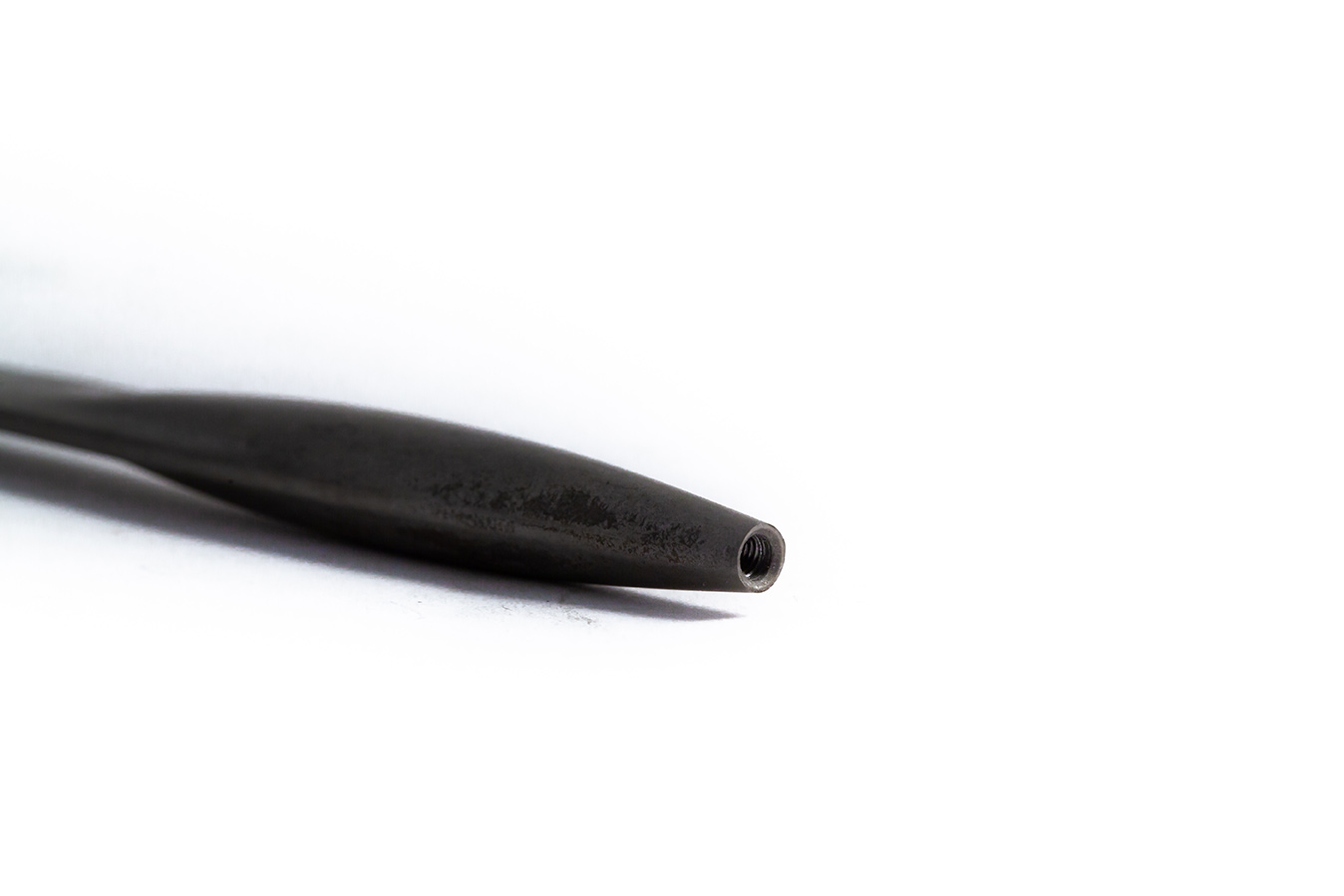
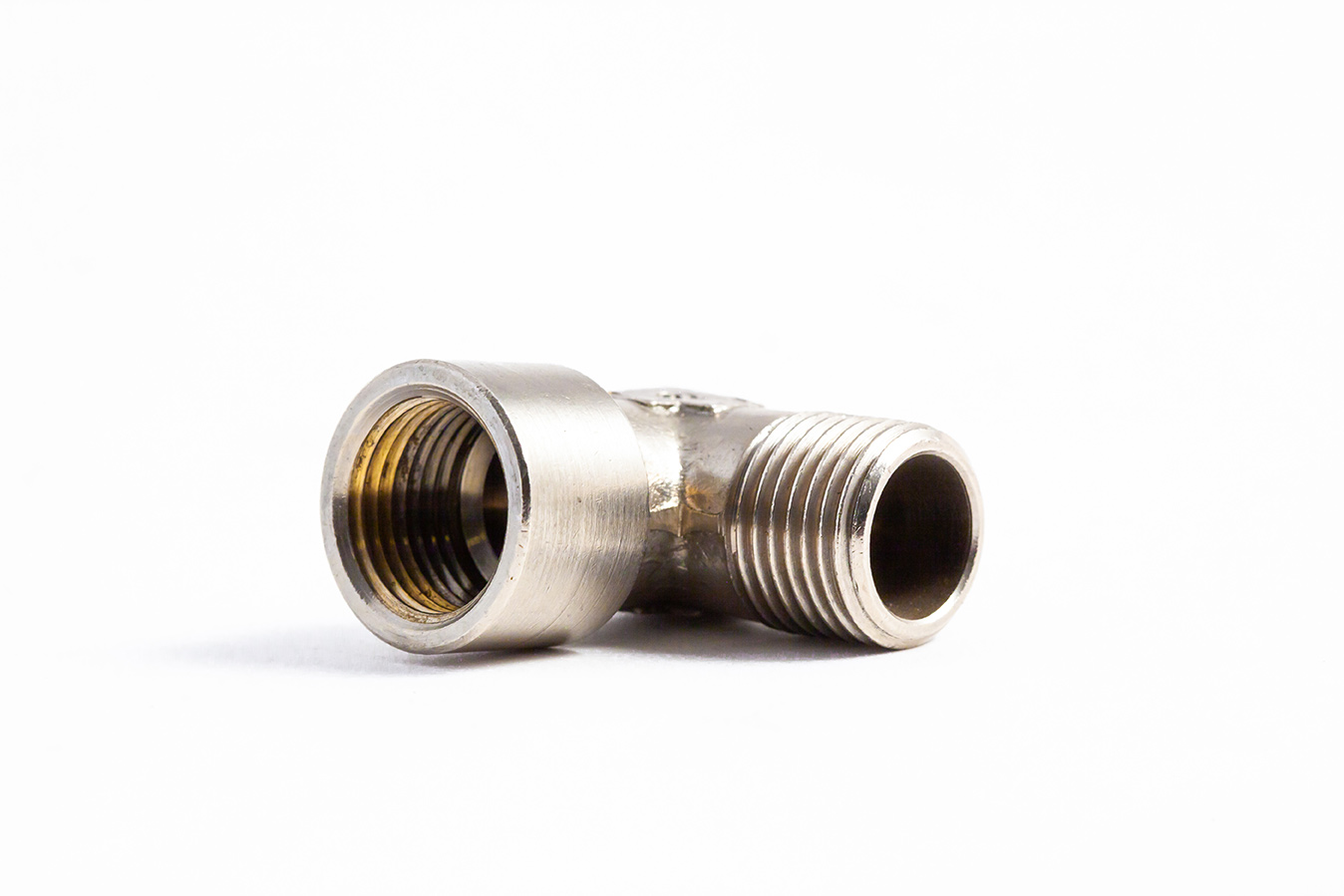
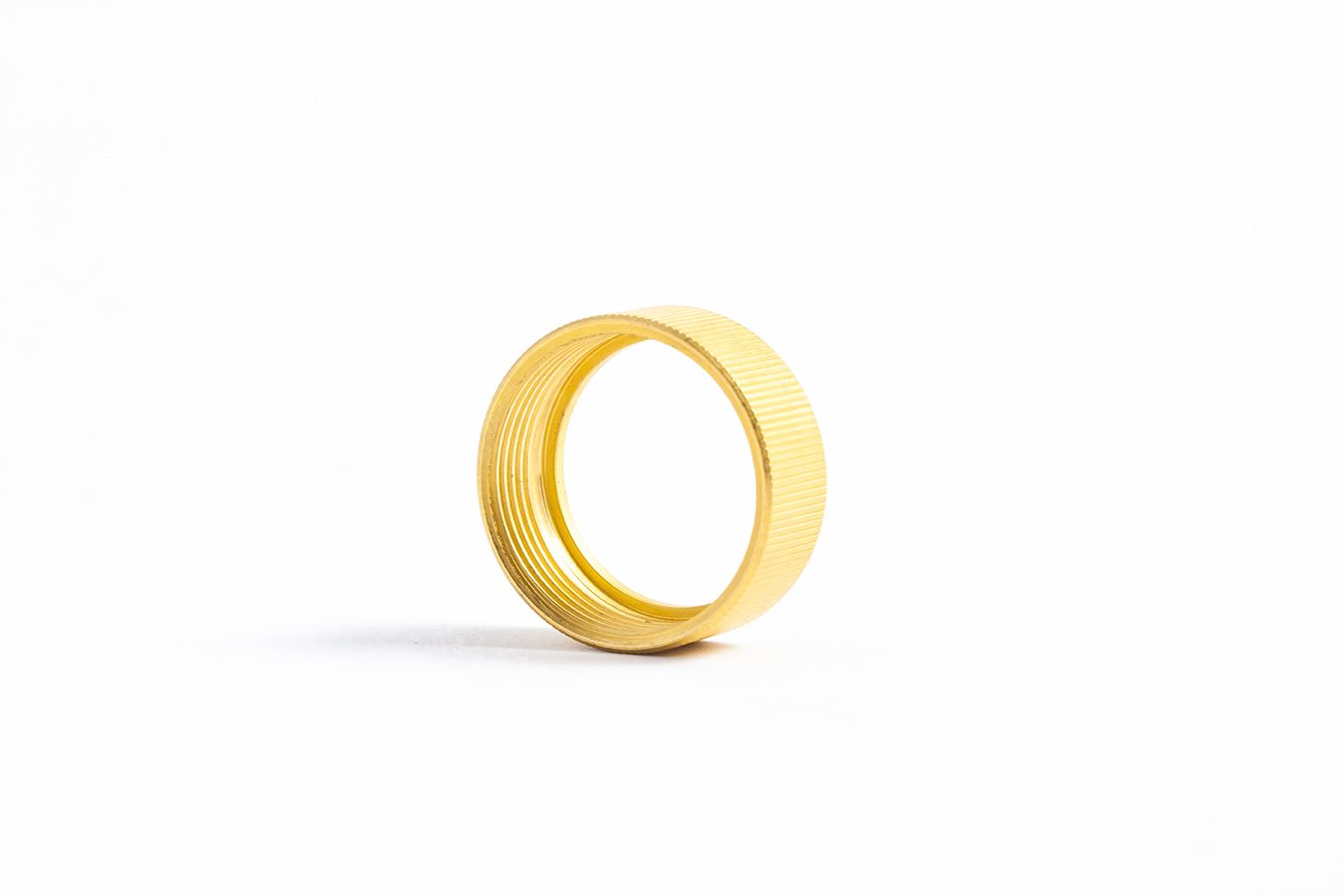
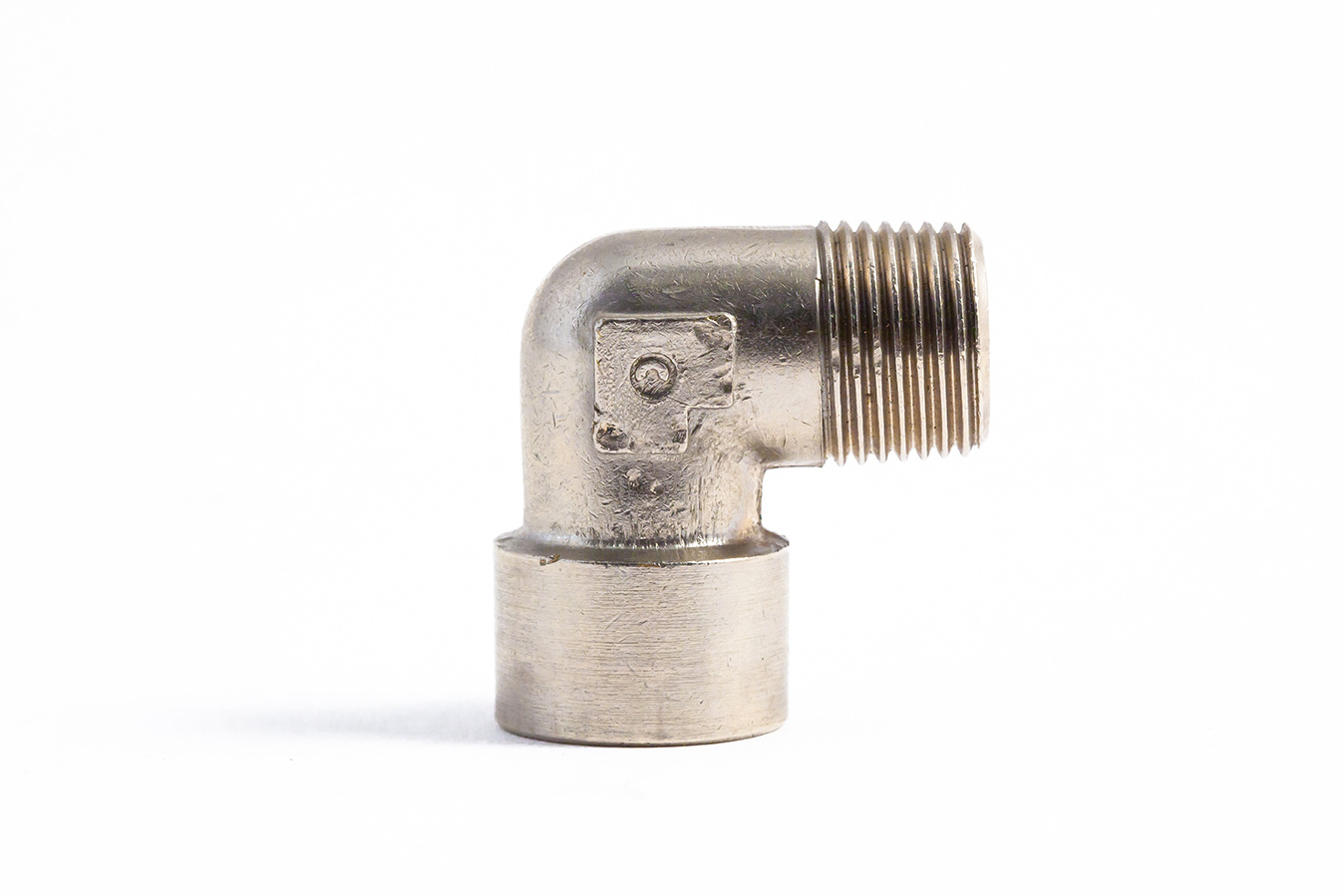
Threading is a particular technique that allows to create a connection system to assemble different elements. From a constructive point of view, threading is done with a first part, represented by a ridge, known as “thread”, that is wrapped around the external surface of an element, with a helicoidal trajectory, that can have a conical or cylindrical shape, known as “screw”. Thanks to threading, therefore, it’s possible to create a joint system between different components without the various pieces being damaged during the assembly or disassembly phase. Threading is characterized by some aspects, in particular: the shape of the profile, the number of threads, the inclination, the diameter, the direction of screwing and the pitch. Based on all these characteristics, it’s possible to uniquely identify a specific type of threading, which could be used for any production and connection between different elements, ensuring stability and versatility.
Definition of threading
As for every industrial and scientific sector, it was essential to unify the productions and in particular the types of threading to find a universally usable system. It was decided to identify the various types of screws according to the most important characteristics: the profile, the nominal diameter and the thread pitch. Among other things, to understand the peculiarities of threading, it’s necessary to know that the thread pitch is a parameter that depends on the height of the profile, and it’s proportional to it: the larger the pitch, the higher the screw. Different types of threading can be used for specific fields of application, such as in the case of metric fine threads or gas threads.
Types of threads
You can find different types of threads on the market, used in different fields. The most widespread and used solutions are basically three:
- triangular threads
- square threads
- trapezoidal threads
The first type is mainly used as a connection, ensuring a 60 degrees angle between the various threads. The other two types, on the other hand, are mainly used for mechanical applications and in particular for torque transmissions. Another peculiarity of trapezoid and square threads is that, very often, the inclination of the threads varies.

Thread repair
As time passes, due to the action of weather conditions and to continuous assembly and disassembly interventions, it’s possible that the threads of the screws get damaged. This is a particularly deficient situation, as it doesn’t allow a perfect connection between the various components. To avoid further problems, with the risk of even running into the collapse of a structure, it’s better to contact a specialized company such as the Zanetti Rossano production workshop, based in Lumezzane, in the province of Brescia. A company that counts on the presence of several highly skilled operators within its staff, and above all of suitable instruments to carry out the repair of the threads. Repairs are mainly carried out on valves, fittings and bolts in aluminium and zamak. The repair is carried out with the utmost care to accurately reconstruct the thread and therefore give back all its solidity to the system.
Through this intervention it’s possible to completely regenerate the threading system allowing to comply with all the standards required for any kind of application, such as in the field of automotive, building, mechanics and much more.